
Stress Awareness Week is a chance for employers and workers to do something practical about work-related stress, and the first step can be a small one.
Work-related stress is still one of the leading causes of work-related ill health. If it isn’t addressed, it harms health and wellbeing, drives up sickness absence and drags down performance. But it can be prevented and managed. Starting a conversation, reviewing workplace pressures or using the support on offer can all help build a workplace where people thrive.
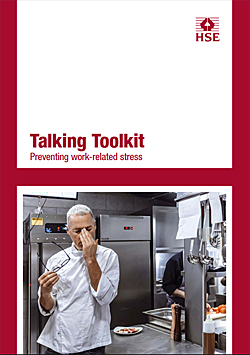
Your challenge this week: pick one action. Use the Talking Toolkit to open a conversation, or go through the 6 Management Standards areas with your team and see what changes.
 Why it matters
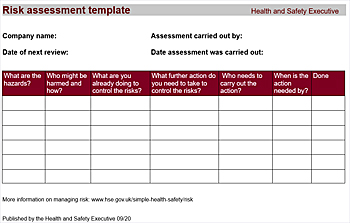
Work-related stress is a health and safety issue. Employers have a legal duty to assess risks to workers’ health, including mental health, and to act to prevent harm. A preventative approach can:
- improve wellbeing
- reduce sickness absence
- boost engagement
- support a healthier workplace culture
Put the 5Rs into practice
HSE’s Working Minds campaign gives employers and workers a simple framework for tackling stress through regular conversations and practical action:
- Reach out: start conversations about stress and mental wellbeing
- Recognise: learn the signs and causes of stress
- Respond: act on concerns and support workers
- Reflect: review what’s working and what could improve
- Make it Routine: build good practice into everyday working life
 Know where stress comes from
HSE’s Management Standards identify six areas of work that, if poorly managed, can contribute to work-related stress:
- demands
- control
- support
- relationships
- role
- change
Reviewing these areas and talking with workers helps you spot risks early, before they affect health and wellbeing. Working out which areas matter most in your organisation is often the best place to start, and it lets you apply the 5Rs in a way that fits your workplace.
Free tools and support
The Working Minds campaign offers free resources for employers and workers:
- Talking Toolkits: structured conversation guides for managers and workers
- Stress Indicator Tool: a survey to help organisations identify and assess stress risks
- Online learning modules: interactive learning to build knowledge and confidence
- Working Minds resources: campaign materials, guidance and practical tools
Whether you’re reviewing your current approach or just getting started, these resources can help you build a healthier workplace.
Keep the conversation going
Stress Awareness Week lasts seven days, but preventing and managing work-related stress is a year-round job.
Source: HSE
